
Here’s How ‘Snack Tourism’ is Transforming Travel Adventures
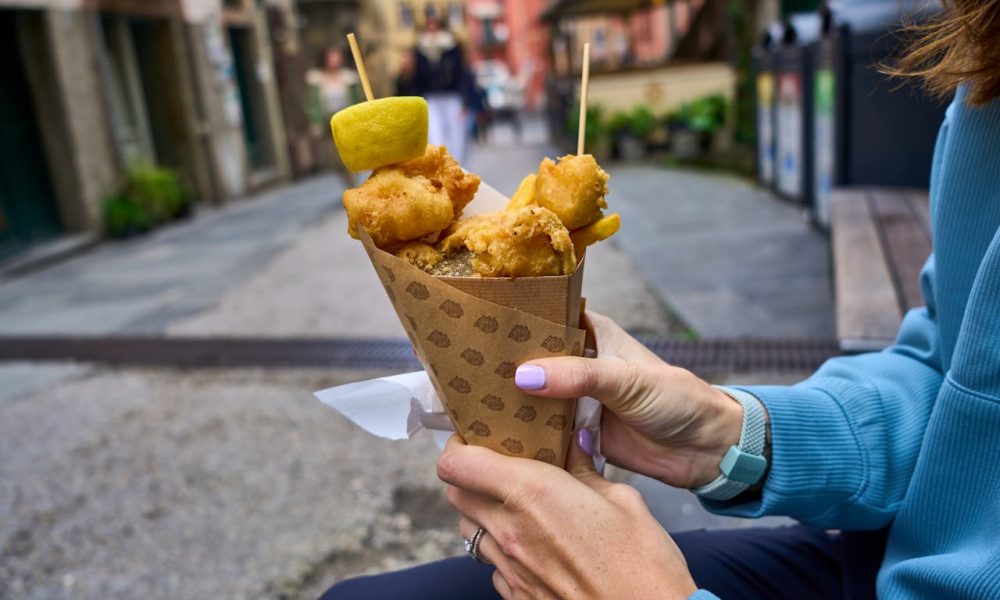
Travel used to mean landmarks, museums, and photo stops that all looked the same after a while. Now it looks more like a crowded snack aisle, a warm paper bag, and crumbs on your shirt. Snack tourism has quietly taken over, and it is not a gimmick.
This travel style focuses on everyday food you can grab without a reservation. Supermarkets, convenience stores, bakeries, and street stalls become the main attractions. Instead of watching a place perform for tourists, travelers taste how people actually live.
Snack tourism shifts the spotlight from grand experiences to small moments. A rice ball from a corner store. A candy bar you can only buy in one region. A drink locals grab on the way to work. These small bites build real memories.
This trend fits modern travel habits perfectly. After all, it is affordable, flexible, and deeply personal. Anyone can join in, no dress code required.
A New Way of Exploring the World

Ketut / Pexels / Snack tourism rejects the old checklist mindset. Travelers stop racing from monument to monument. They slow down, and hunger becomes the guide.
People explore neighborhoods instead of highlights. They wander into local grocery stores. They scan shelves that were never designed for visitors. That is where the real story lives.
These snacks tell you what locals crave after school or during a late shift. You learn what flavors feel familiar and comforting to them. This kind of insight does not come from fine dining menus.
The experience feels honest because it is unscripted. No one is trying to impress you. The food exists for daily life, not for reviews. That authenticity is the main appeal.
Millennials and Gen Z Are Driving the Craze
Younger travelers lead the snack tourism movement for clear reasons. They value experiences that feel real and shareable. Snacks deliver both. Research shows nearly 59% of Millennials choose destinations based on specific foods they want to try. About 70%even plan a separate budget just for snack shopping. That says a lot about priorities.
Gen Z travelers think the same way. Around 38% say they would rather eat local food than visit famous landmarks like the Eiffel Tower. Flavor beats fame. Social media fuels this shift. A rare chip flavor or unusual candy gets more attention than another skyline photo. Snacks are colorful, personal, and easy to show off.
Snack Tourism Around the World

Dogu / Pexels / Some destinations have become legends in snack tourism circles. Japan stands at the top.
Regional KitKat flavors turn candy shopping into a treasure hunt. Matcha, sake, and sweet potato versions make each stop feel like a win.
Convenience stores in Japan also shine. Fresh onigiri and local specialties feel more meaningful than fancy meals. They show daily life without filters.
Thailand has built a cult following around its 7-Eleven food scene. Toasties, ready-made curries, and sweet drinks turn quick stops into social media moments. These stores reflect how people actually eat. South Korea pulls travelers in with bold snack flavors. Fire noodles, black bean ramen, and creative sweet snacks push boundaries. Traditional tastes meet modern packaging in every aisle.
In Australia, Tim Tams are more than cookies. They are cultural icons. Visitors stock up like they are collecting souvenirs. Next door, New Zealand draws snack tourists with Manuka honey. It is prized, portable, and deeply tied to place.
The Americas offer a huge variety. In Mexico, snack aisles burst with spice and exclusive flavors. Takis and salsas turn grocery runs into adventures. The United States has its own snack pilgrimages. Stores like Trader Joe’s and Costco attract travelers chasing limited items and oversized treats.
Across Europe, supermarket shopping feels like cultural research. British biscuits, French butter, and Italian chocolate often say more than any tour guide.
More inFood Adventures
-
`
 5 Powerful Reasons Why You Should Manifest Right After Waking
Manifesting immediately after waking seems almost too easy, but there’s real power in this quiet moment. Your mind is fresh, open,...
February 5, 2026 -
`
 How You Can Find Love in Ireland’s Century-Old Singles Festival
If dating apps have drained your energy, you are not alone. Swiping, ghosting, and forced small talk can make love feel...
January 24, 2026 -
`
 This Unique, Pacifist Ethiopian Community is Preaching Peace Amid the Amhara Conflict
High in Ethiopia’s Amhara highlands sits Arwa Amba, a village that runs on calm when chaos surrounds it. About 500 to...
January 17, 2026 -
`
 How to Remain Calm in Anxious Times? A 3-Step Framework That Always Works
Anxiety shows up fast. Your chest tightens, and your thoughts race. The world feels loud and heavy all at once. When...
January 11, 2026 -
`
 Oreo Introduces 9 New Holiday Flavor Varieties Just in Time
The holidays are louder, sweeter, and way more fun when cookies get involved. This year, Oreo is making this holiday season...
January 2, 2026 -
`
 Greece is the Best Country to Retire in 2026, Latest Retirement Index Reveals
Greece just pulled off a quiet upset. According to the 2026 Annual Global Retirement Index, it now ranks as the best...
December 26, 2025 -
`
 President Trump’s Operation Metro Surge Begins in Minneapolis and St. Paul
Operation Metro Surge rolled into Minneapolis and St. Paul during the first week of December 2025. ICE brought in about one...
December 18, 2025 -
`
 Psychologist vs. Psychiatrist: Which One Should You Choose?
Choosing the right mental health professional can feel confusing. The names sound similar, but the roles are very different. Once you...
December 13, 2025 -
`
 Here’s Why Adventurous Travelers Love Indonesia’s Remote Islands
Indonesia’s eastern frontier draws travelers who crave beauty with an edge. These islands feel untouched and full of energy, and that...
December 5, 2025
More From MilitaryBud
-
 Why Most People Aren’t Open-minded As They Claim to Be
Ask people if they are open-minded, and most will answer with a confident yes. Few individuals see themselves as stubborn, biased,...
Open Your MindJune 25, 2026 -
 All the Reasons Why Darjeeling Tea, the “Champagne of Teas,” is So Popular Around the World
Few teas enjoy the kind of reputation that Darjeeling Tea has earned. Grown in the hills of India’s eastern Himalayas, this...
Food AdventuresJune 18, 2026 -
 How the Internet Has Given Birth to the Rising Coffee Culture? A Closer Look
Coffee is no longer just a way to wake up in the morning. It has become a lifestyle, a social activity,...
LifestyleJune 11, 2026 -
 Aledo Community Grieves a 14-YO Student Killed on His ATV the Night Before Middle School Graduation
Aledo, Texas, is grappling with an unimaginable loss after the death of 14-year-old Brayden Martin. The eighth-grade student at Aledo Middle...
CommunityJune 3, 2026 -
 Self-talk Makes You Who You Are – Be Mindful of What You Tell Yourself!
You talk to yourself all day long. Most of the time, you do not even notice it. That running voice in...
Open Your MindMay 28, 2026
You must be logged in to post a comment Login